
Summer Is Not Over, but Migration Has Already Begun
There is a strange moment every August when summer still seems firmly in place, yet the natural world has already begun to move on. The days remain warm, the trees are still green, and most people are thinking about beaches, patios, and squeezing the last few trips to the cottage out of the season. But along Ontario’s shorelines, lakes, ponds and rivers autumn migration is already underway.
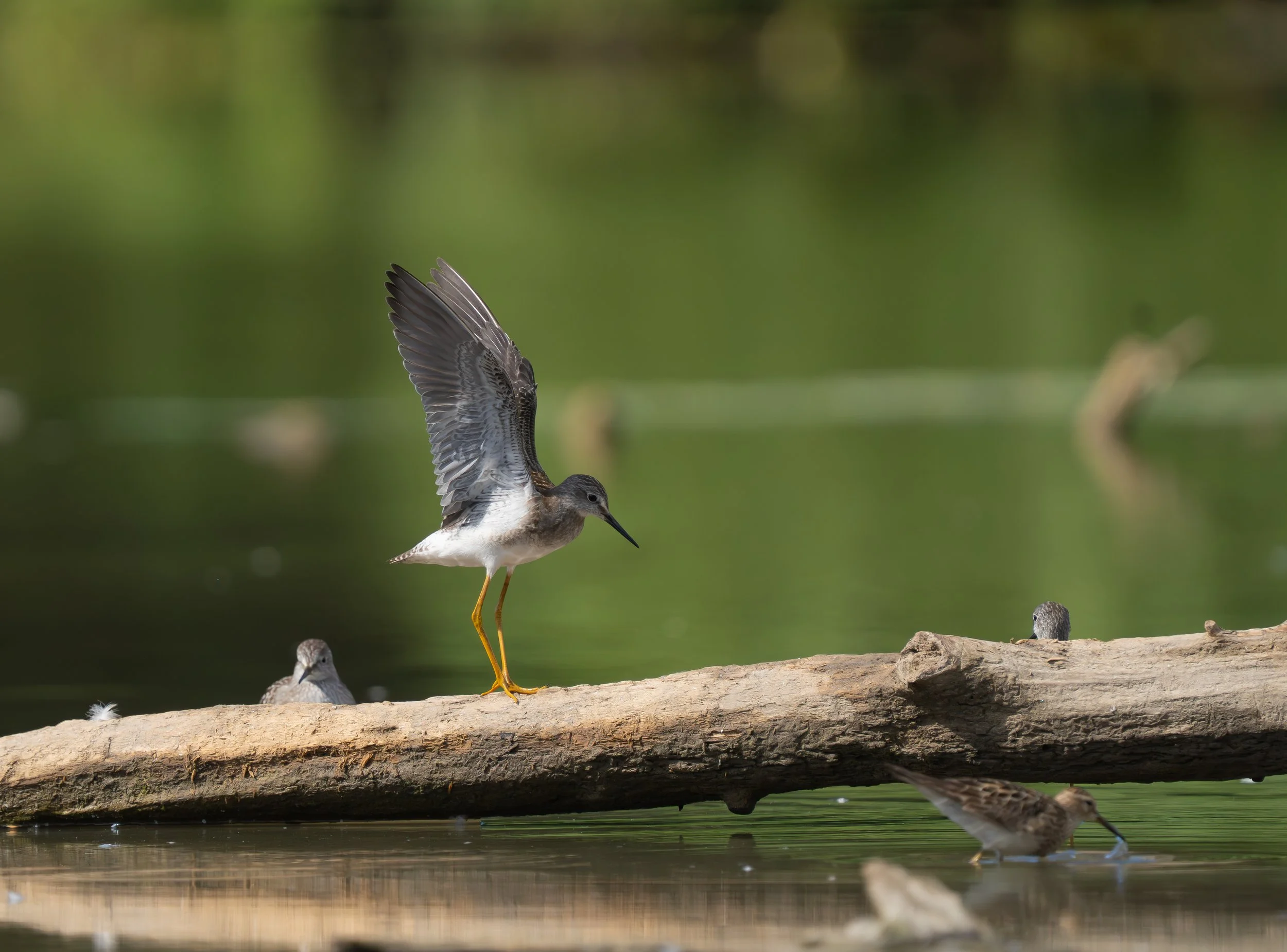
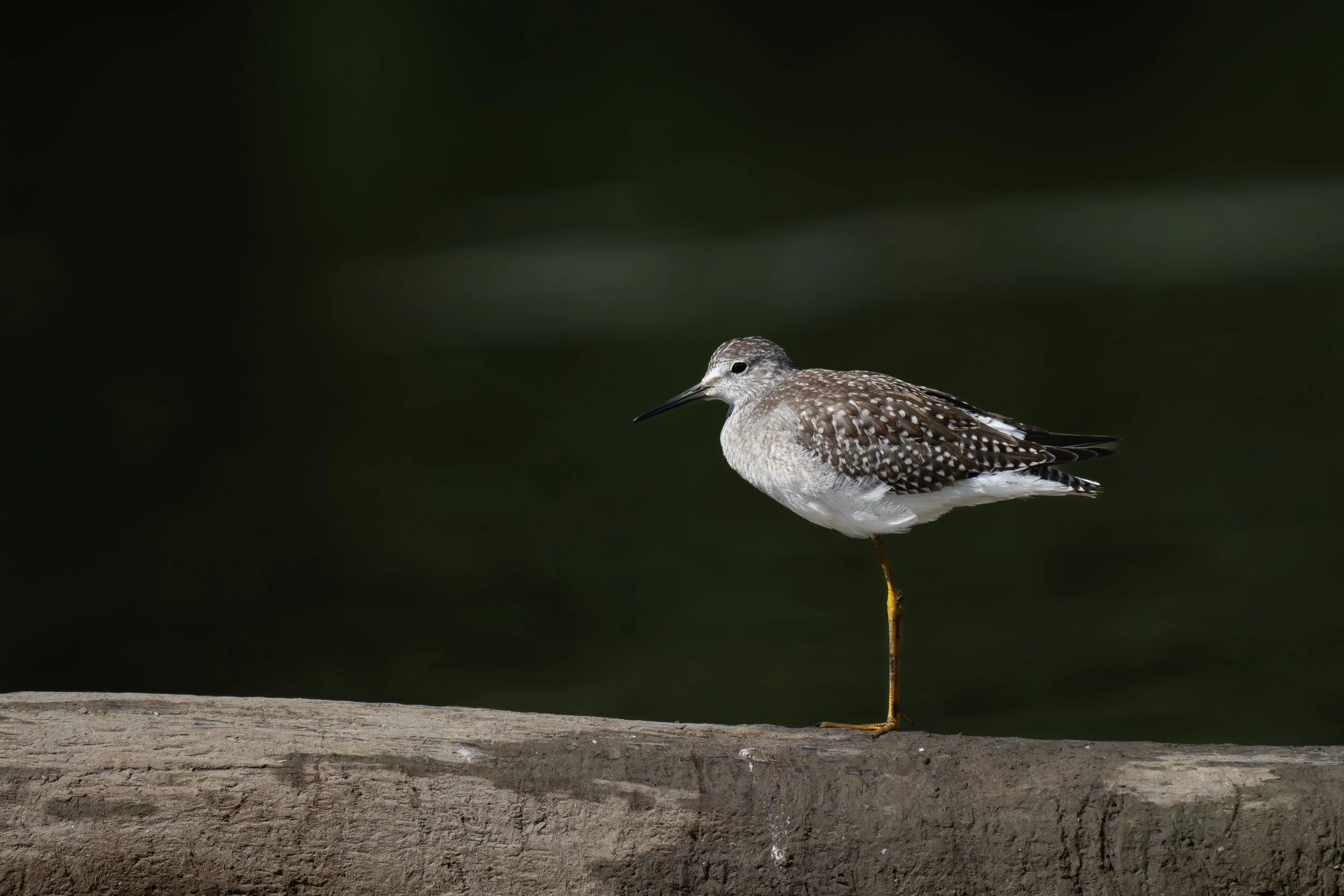
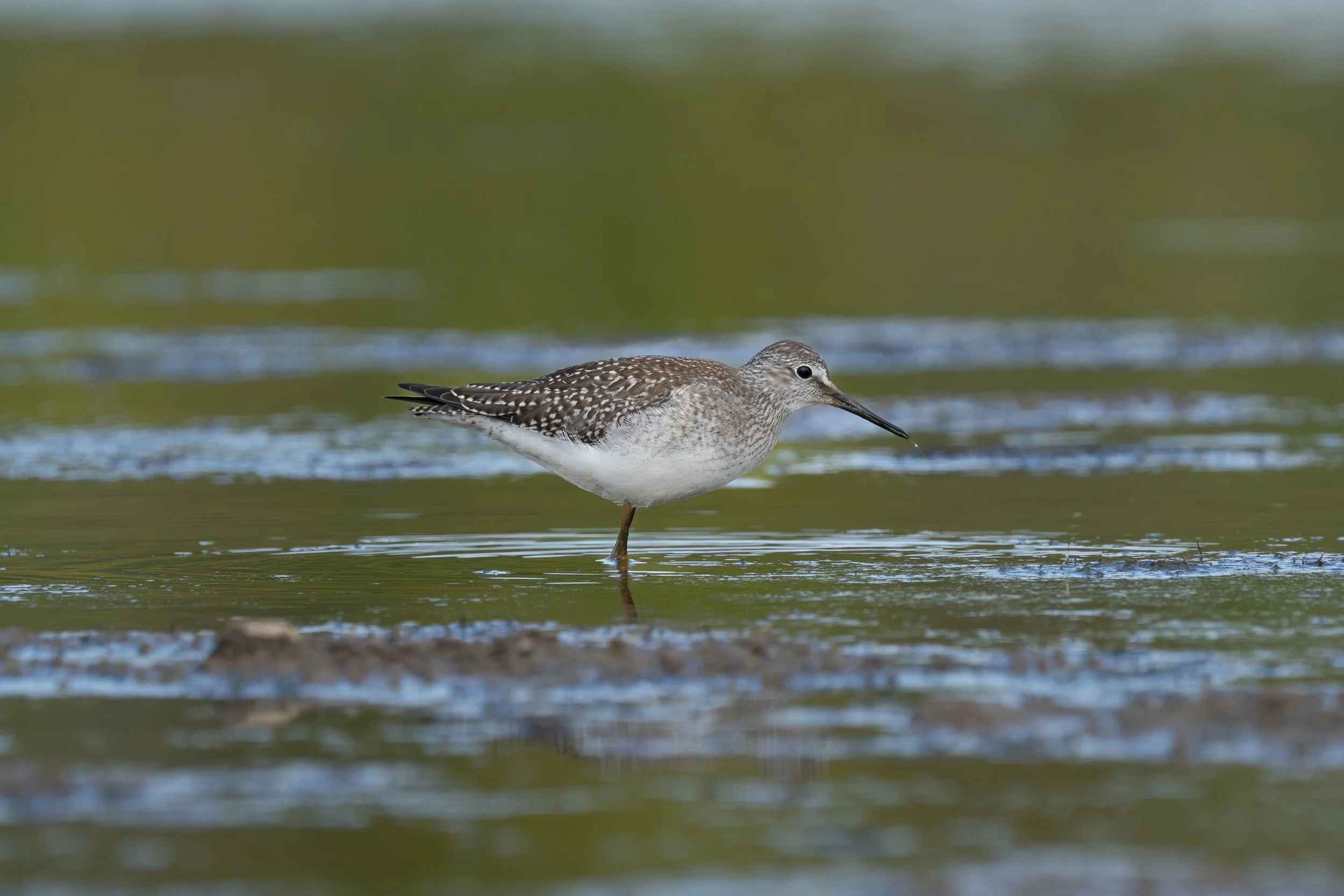
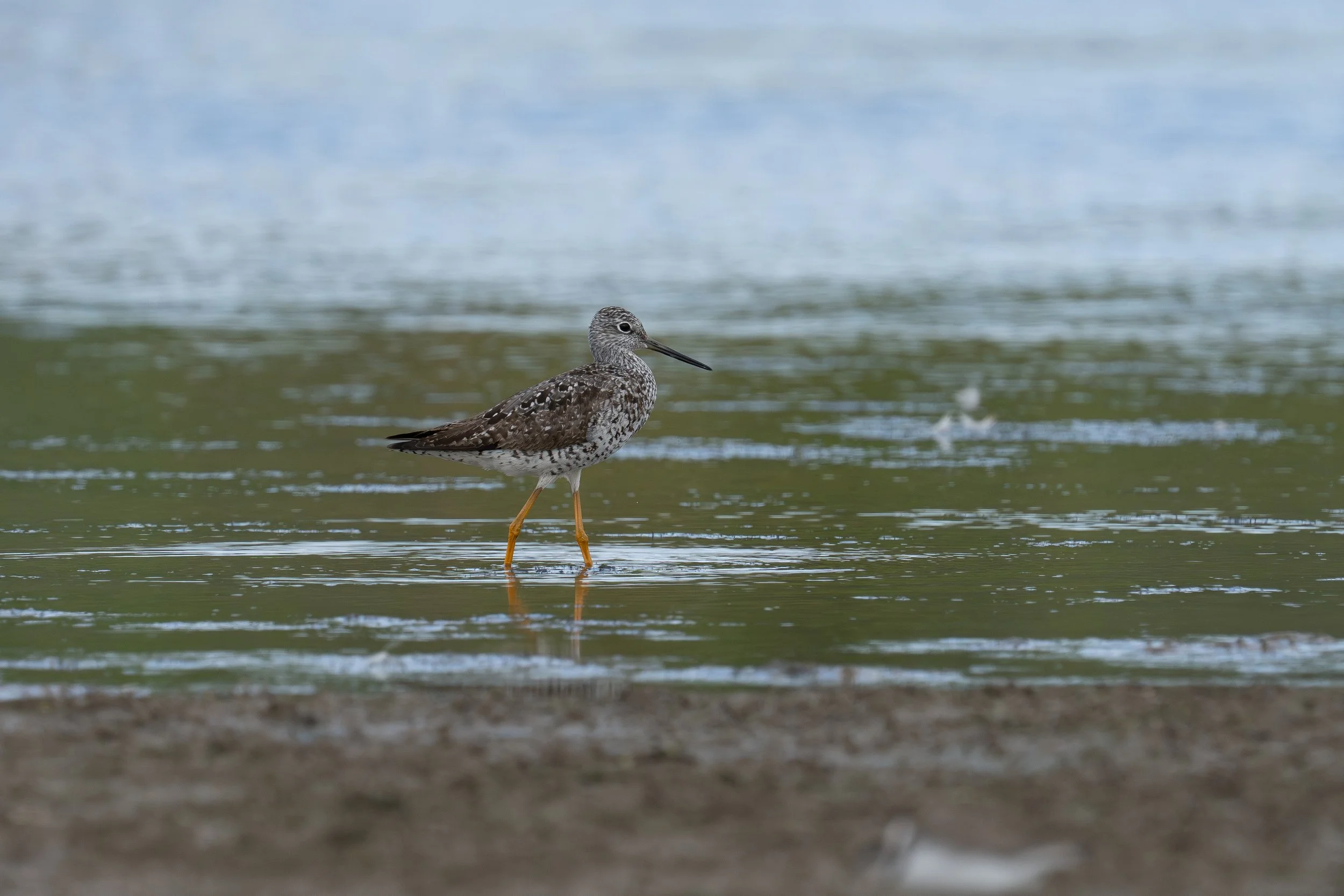
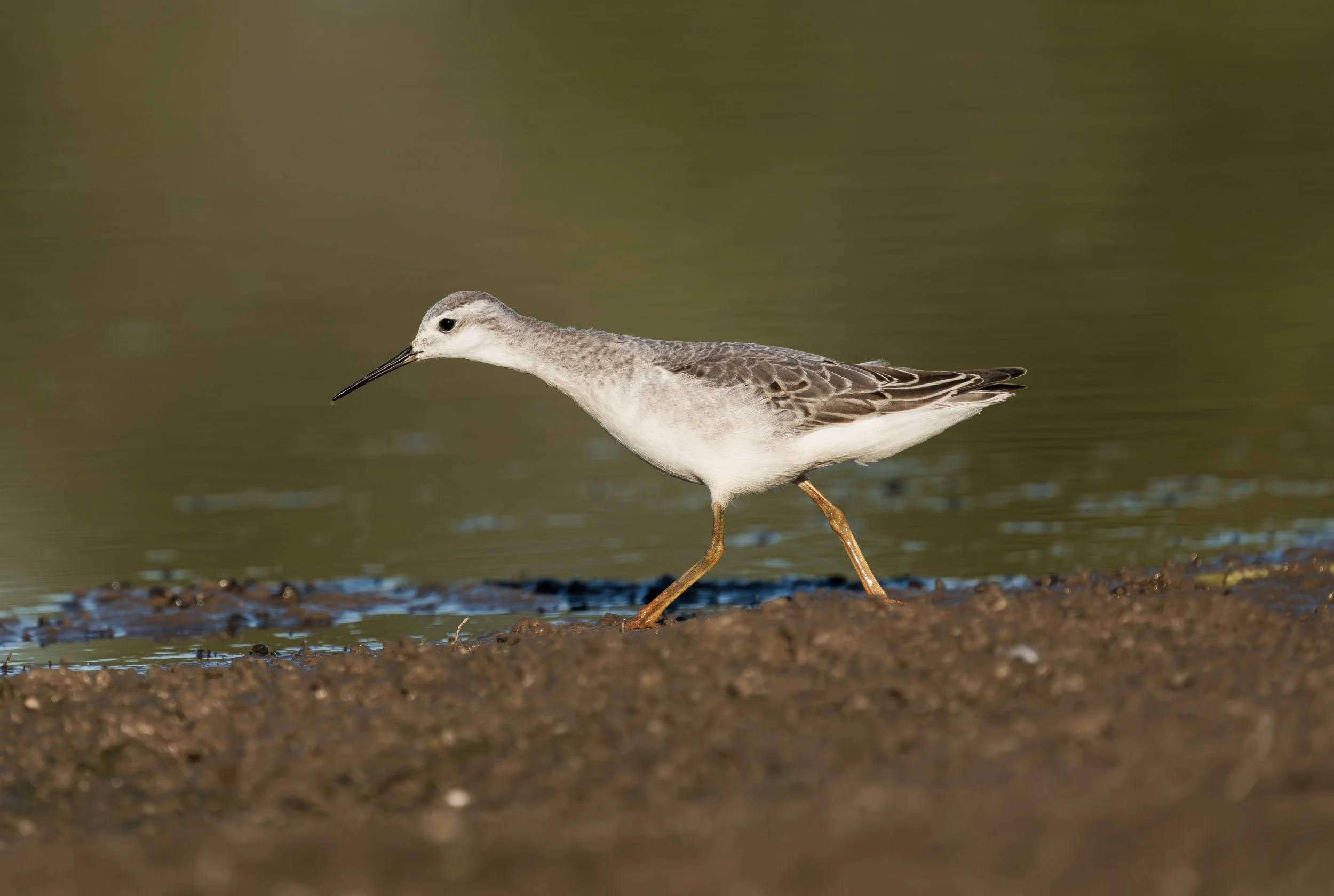
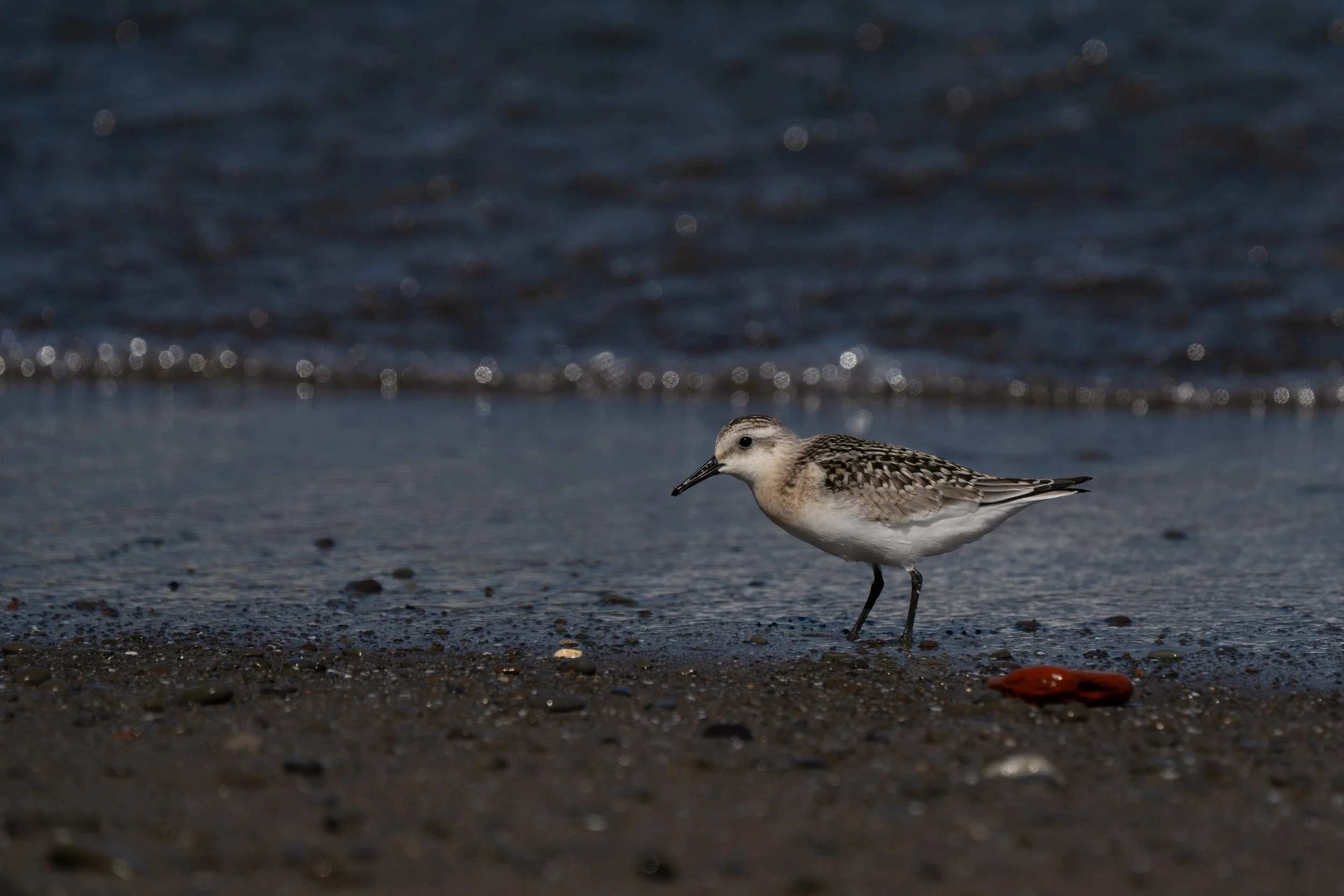
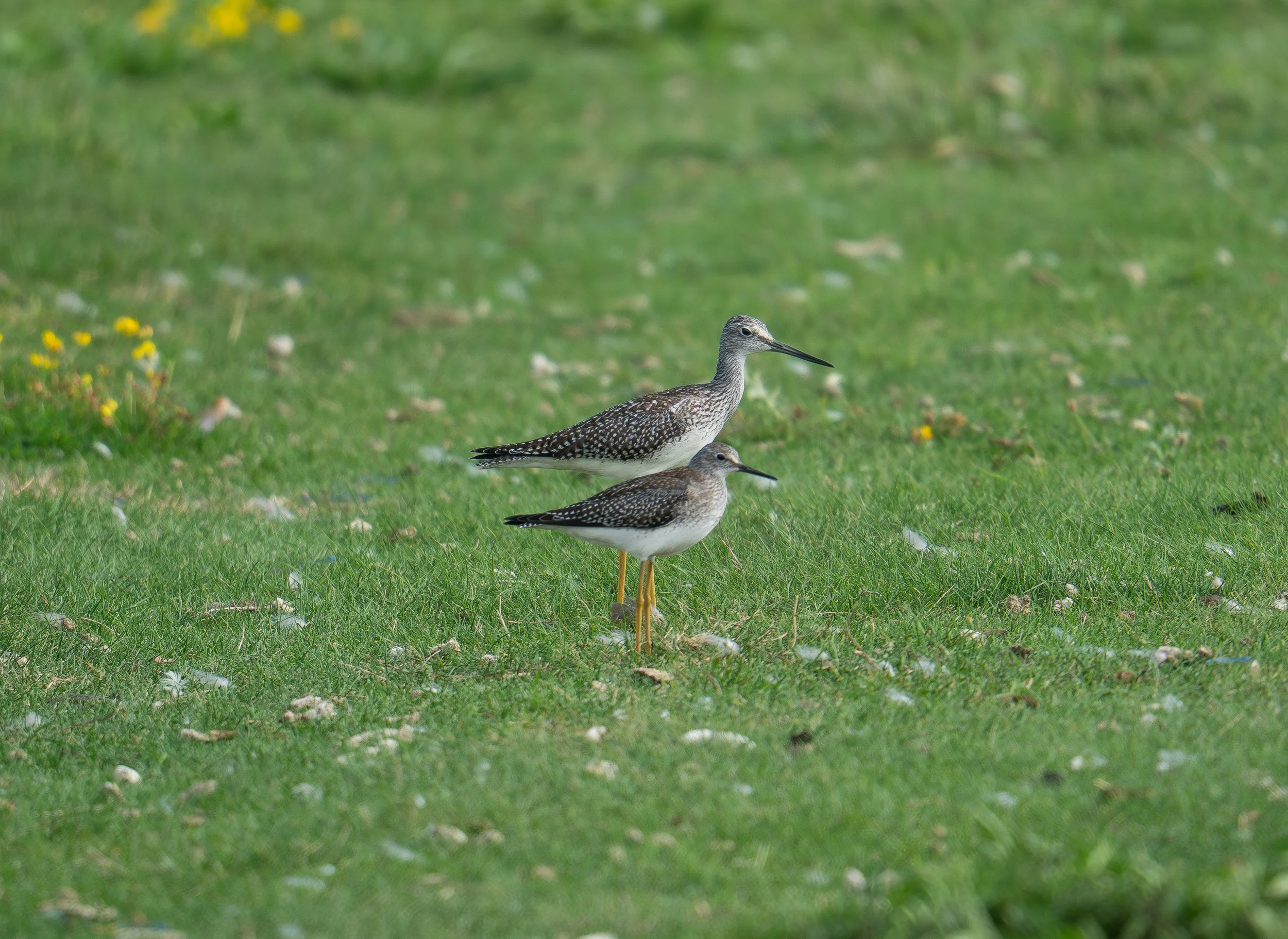
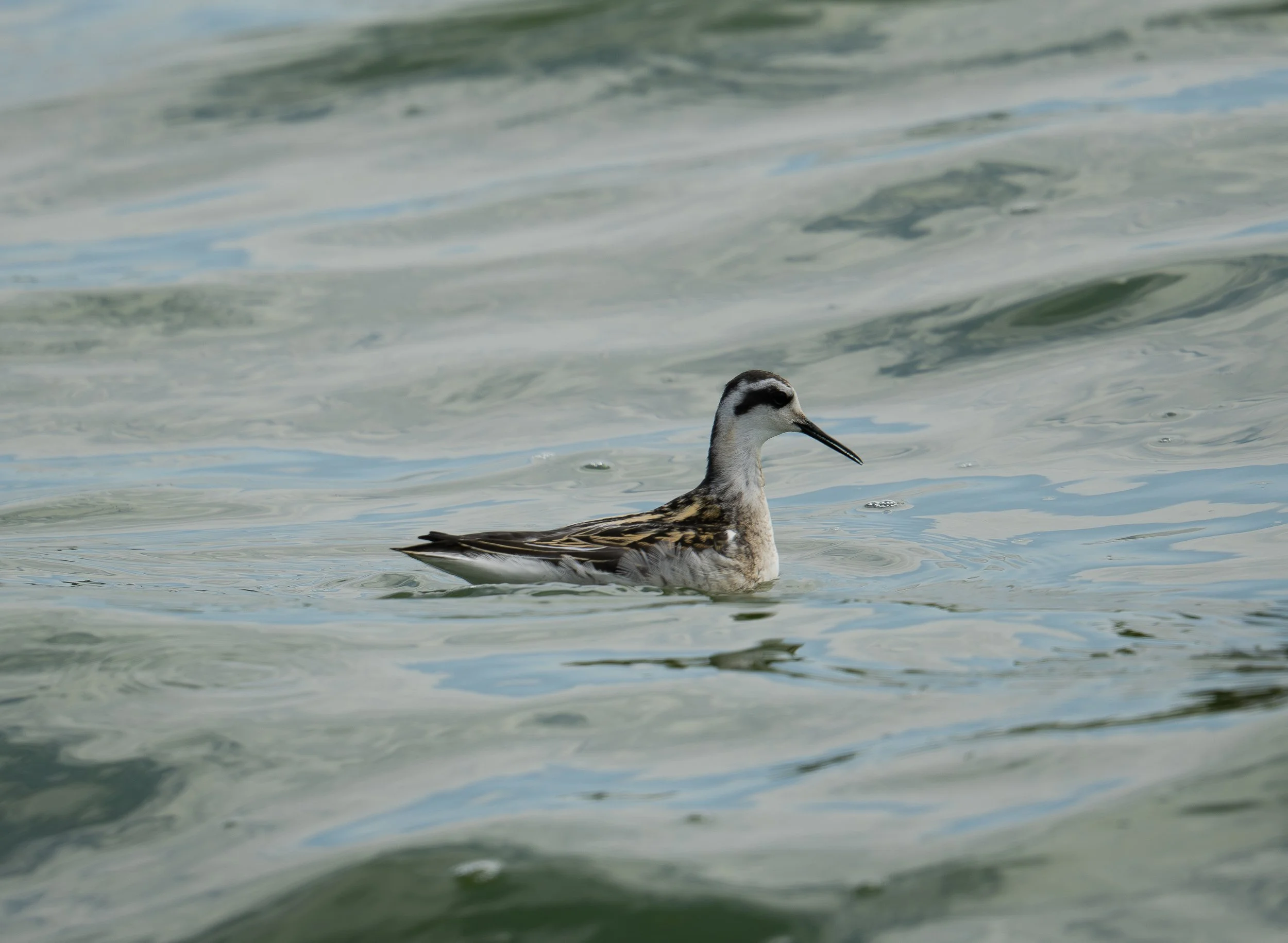
It begins quietly. A few Lesser Yellowlegs appear along with small groups of Least Sandpipers work patiently through the mud. Semipalmated Sandpipers gather along exposed shorelines, feeding constantly before continuing south. With a little luck, something less expected may appear among them, perhaps a Stilt Sandpiper, a Baird’s Sandpiper, or another bird that has travelled an extraordinary distance to spend only a brief moment in front of us.
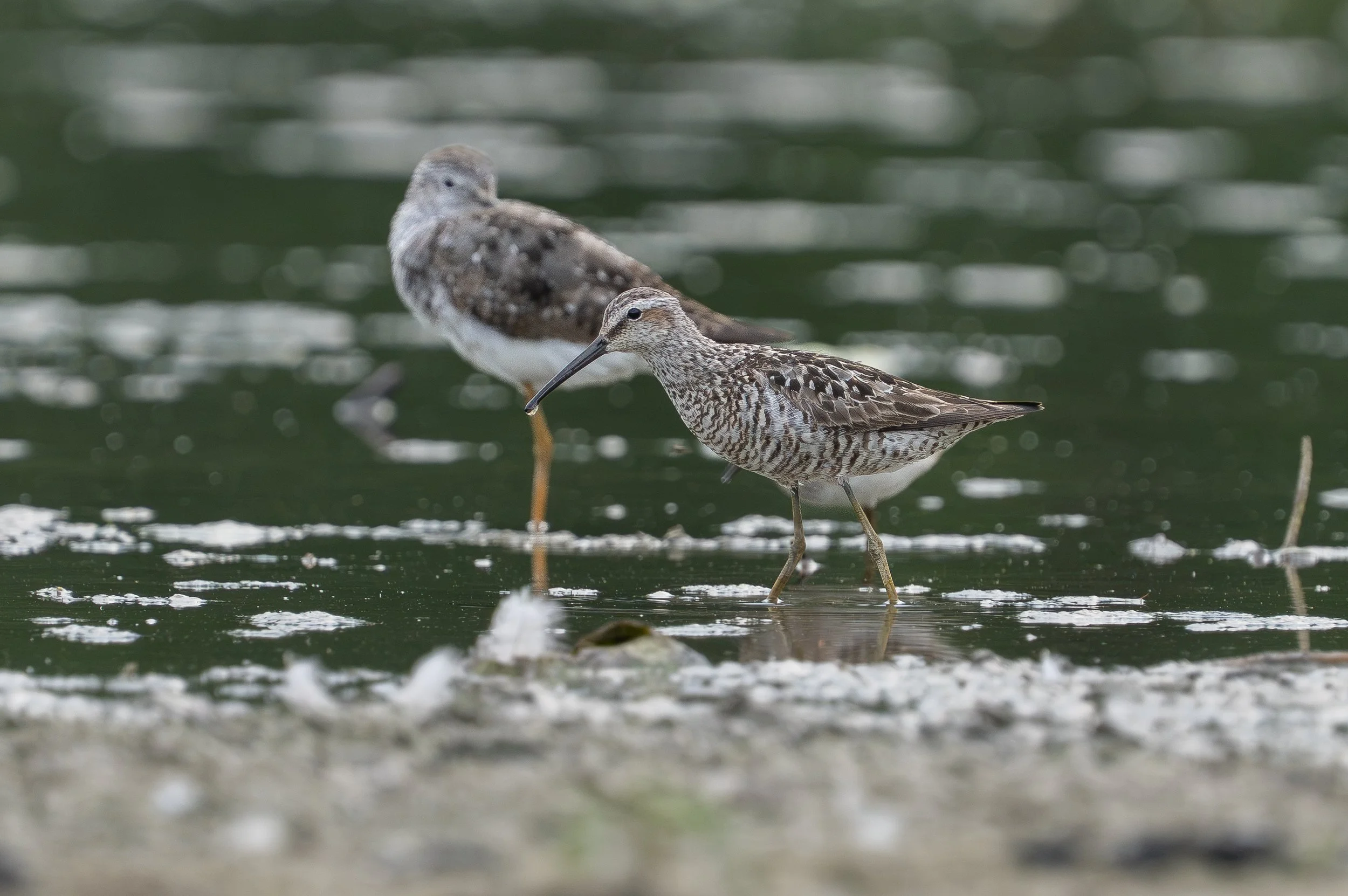
Stilt Sandpiper - New Hamburg 2026
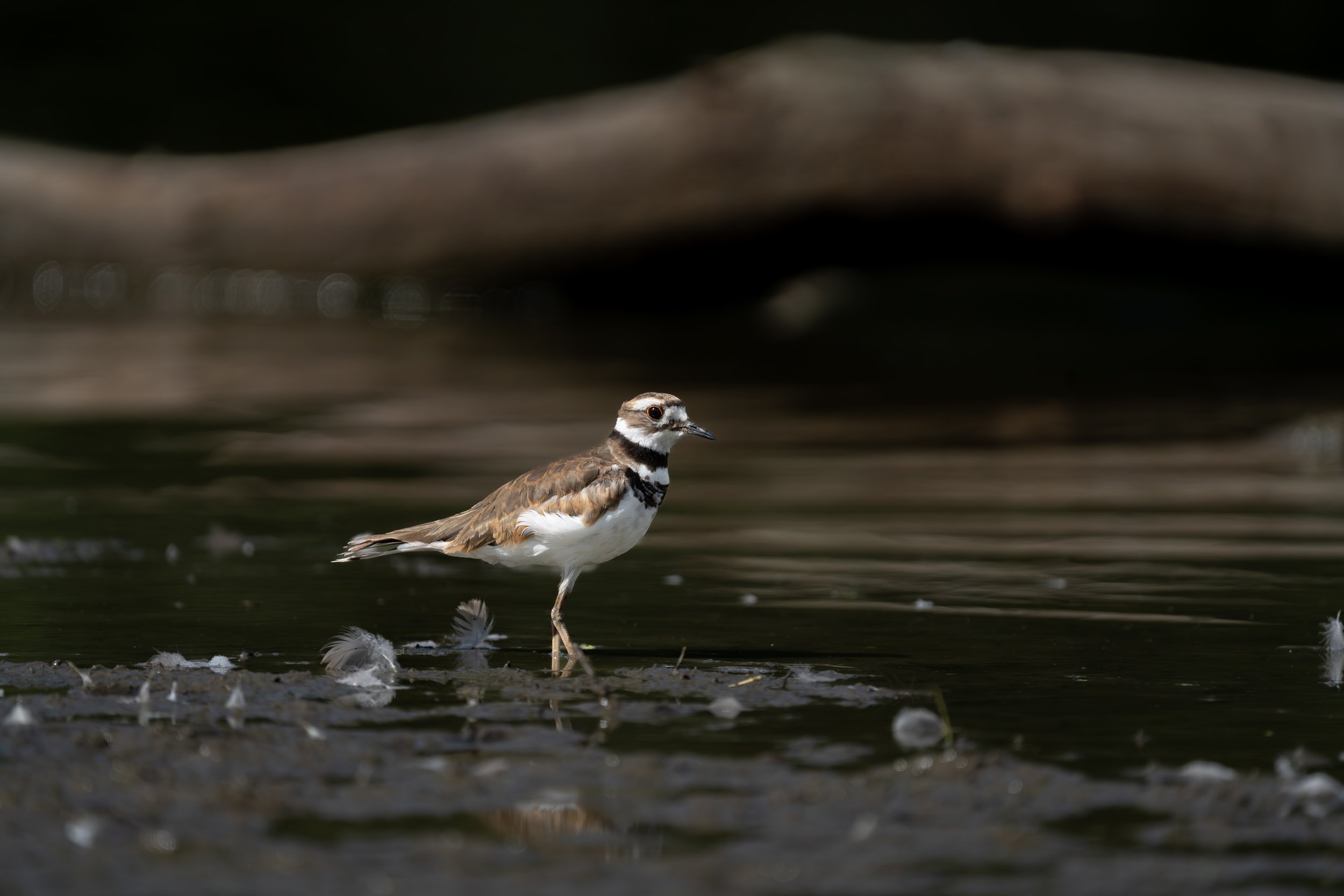
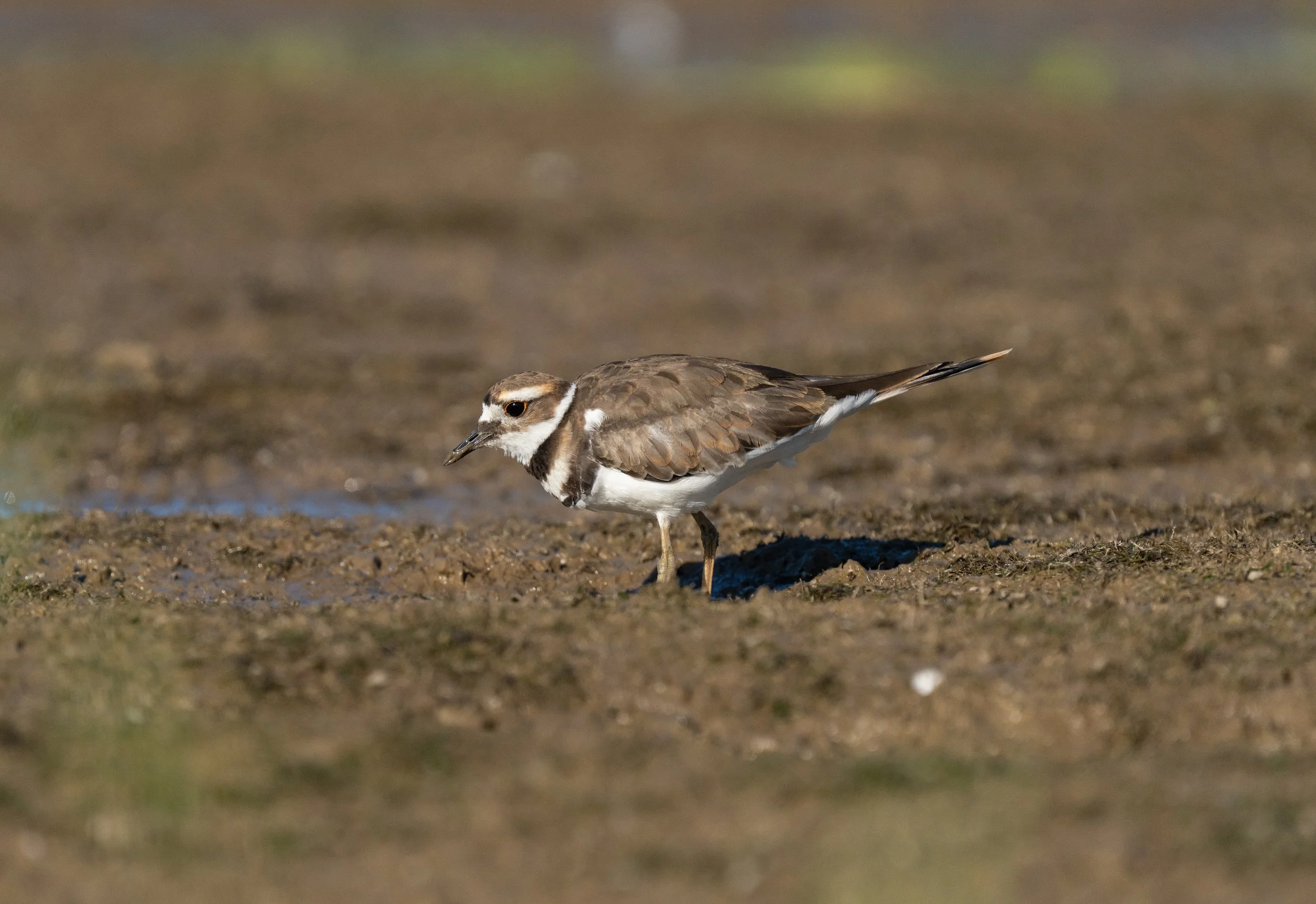
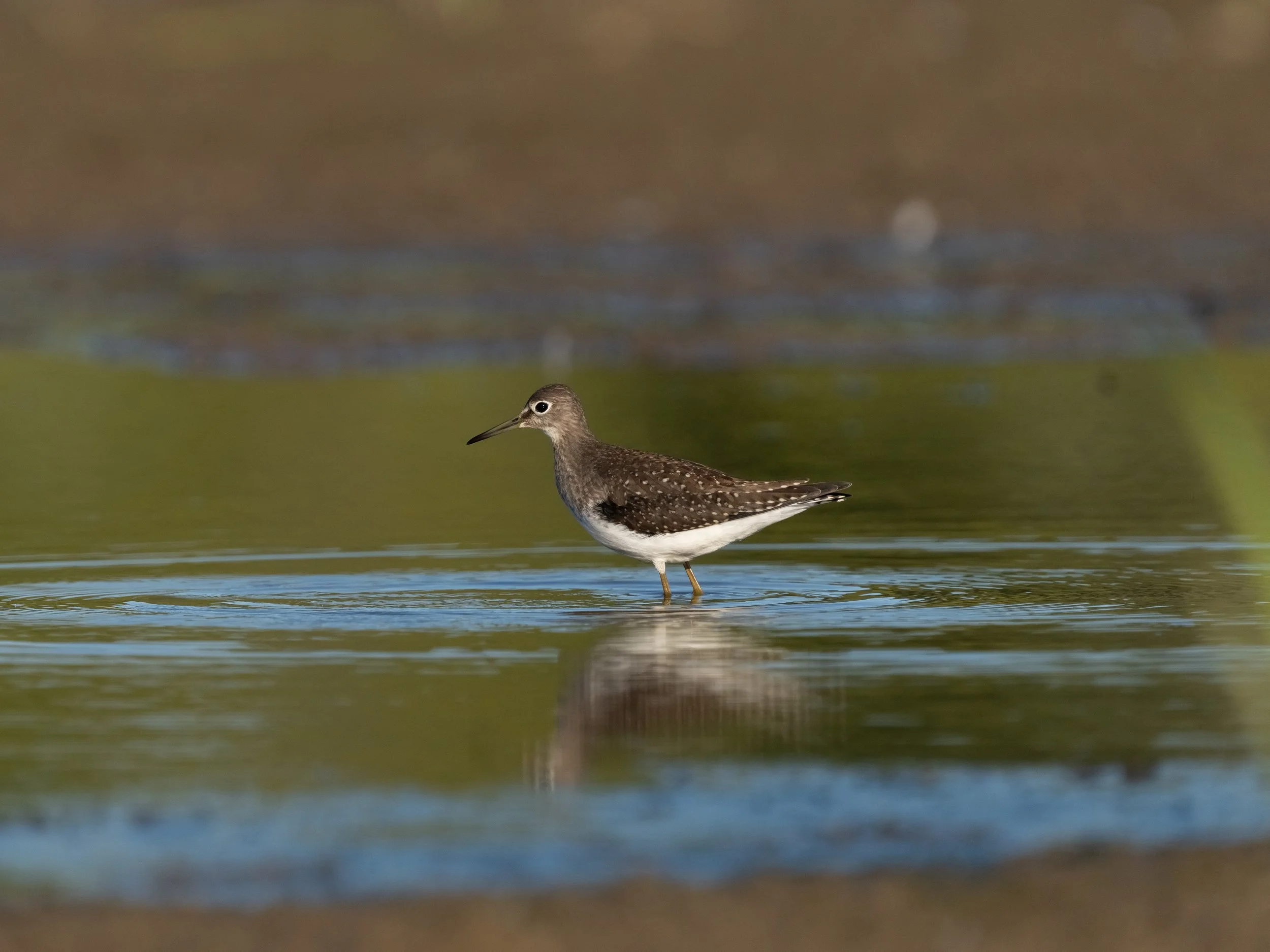
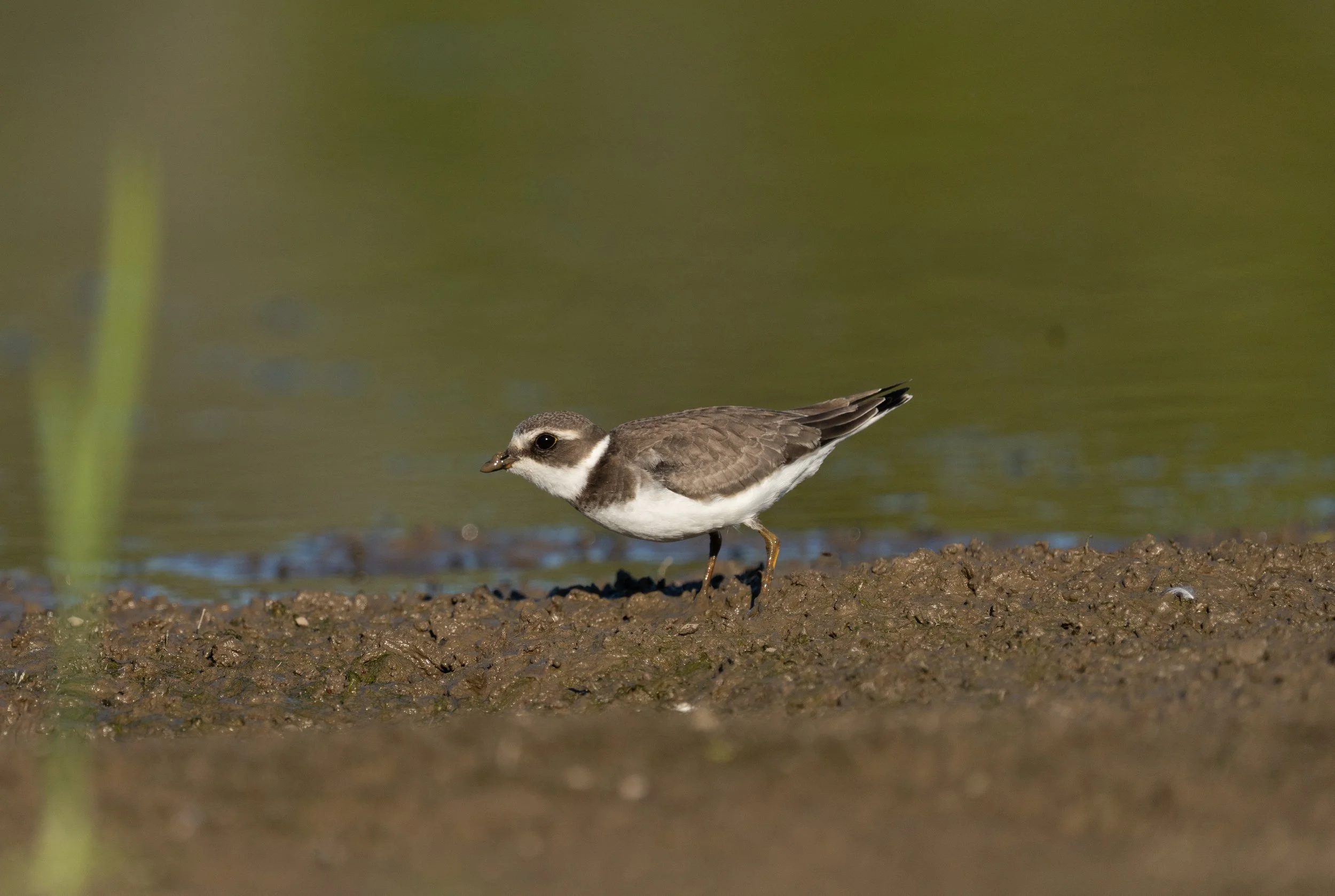
Shorebirds have become one of my favourite groups of birds to observe. That was not always the case. When I was younger and first learning about this hobby, they seemed incredibly intimidating. Many are small, fast moving, and with plumages of subtle combinations of brown, grey, white, and rust. They rarely sit still for long, and they have a habit of standing beside another nearly identical bird just to make the identification process more interesting.
Over time, though, those subtle differences become part of the appeal for me. You begin to notice the delicate droop of a bill, the length of a leg, the shape of a bird’s body, or the way it feeds. One species moves carefully through shallow water, while another runs urgently along the shoreline as though it has somewhere extremely important to be. Learning shorebirds teaches patience. It forces you to slow down, look carefully, and appreciate details that are easy to miss.
Their migration stories make them even more remarkable. Many of the birds appearing in Ontario during August have travelled from breeding grounds across the Arctic regions of Canada. Some adults begin moving south while their young are still finishing their development. The juveniles follow later, making their first migration without their parents guiding them along the way.
Think about that for a moment. A bird that may weigh less than an average chocolate bar can leave the Arctic, travel across a continent, locate feeding areas it has never visited, avoid predators and storms, and eventually reach wintering grounds thousands of kilometres away.
Suddenly, a small brown bird on a mudflat does not seem quite so ordinary. Ontario’s beaches, lagoons, wetlands, and exposed shorelines provide essential places for these birds to rest and refuel. Many will remain for only a short time. A flock present in the morning may be gone by evening, replaced by a completely different group the following day. That uncertainty is part of what makes migration birding so exciting. You never really know what has arrived overnight. Some days bring large flocks and unexpected species. Other days require more patience. Either way, there is always something worth noticing, whether it is the careful feeding behaviour of a sandpiper, the elegant shape of a yellowlegs in flight, or the sudden realization that the bird in front of you began its journey somewhere near the edge of the Arctic Ocean.
Summer may not feel finished yet. But for the shorebirds passing through our province, their next great journey has already begun.
~Brett~